How Remote Teams Are Changing Modern Business
March 12th 2026
2 minutes read

March 12th 2026
How Remote Teams Are Changing Modern Business
How Remote Teams Are Changing Modern Business
The way businesses operate has changed dramatically in recent years. With advances in technology and the rise of digital collaboration tools, companies are no longer limited to hiring employees within their local area. Remote teams have become a powerful solution for organisations seeking flexibility, efficiency, and access to global talent.
Here’s how remote teams are transforming modern business.
1. Access to Global Talent
One of the biggest advantages of remote work is the ability to hire talent from anywhere in the world. Instead of searching for candidates in a single city or region, businesses can recruit skilled professionals globally.
This allows companies to:
- Find specialised skills more easily
- Build diverse teams
- Hire the best talent regardless of location
Global hiring also opens opportunities for businesses to operate across multiple time zones.
2. Reduced Operational Costs
Maintaining a traditional office can be expensive. Costs often include rent, utilities, office equipment, and commuting benefits.
Remote teams help businesses reduce these expenses by:
- Eliminating the need for large office/clinic spaces
- Lowering overhead costs
- Reducing travel expenses
For startups and small businesses, these savings can be reinvested into growth and innovation.
3. Increased Productivity
Many studies show that remote workers can be just as productive—or even more productive—than in-office employees. Without long commutes and constant office interruptions, team members can focus better on their tasks.
Remote work environments often encourage:
- Flexible work schedules
- Better work-life balance
- Greater autonomy and accountability
These factors contribute to improved productivity and employee satisfaction.
4. Faster Business Scalability
Remote teams make it easier for businesses to scale quickly. Instead of going through lengthy hiring processes for local employees, companies can onboard remote professionals much faster.
Businesses can quickly:
- Add new team members when demand increases
- Expand into new markets
- Build specialised teams for specific projects
This flexibility allows organisations to adapt to changing market conditions more efficiently.
5. Technology Enables Seamless Collaboration
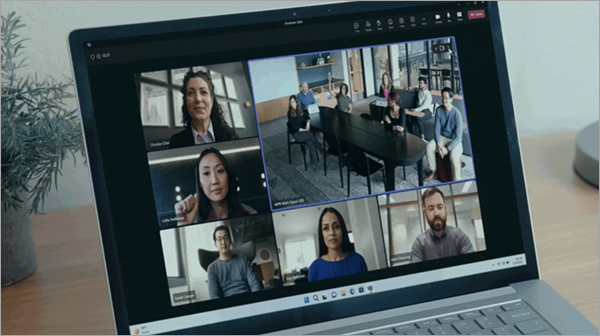
Modern collaboration tools have made remote teamwork easier than ever. Platforms for communication, project management, and file sharing help teams stay connected and organised.
Common tools used by remote teams include:
- Video conferencing platforms
- Project management software
- Cloud-based file sharing
- Instant messaging tools
These technologies allow teams to collaborate effectively regardless of their physical location.
6. The Rise of Outsourcing and Virtual Assistants
Another major shift in modern business is the growing use of outsourcing and virtual assistants. Instead of hiring full-time employees for every role, businesses are increasingly delegating tasks to remote professionals.
Virtual assistants can support businesses by handling tasks such as:
- Administrative work
- Customer support
- Social media management
- Research and data entry
This allows business owners to focus on strategy and growth while routine tasks are handled efficiently.
Final Thoughts
Remote teams are no longer just a trend—they are becoming a core part of how modern businesses operate. Companies that embrace remote work gain access to global talent, reduce operational costs, and improve flexibility.
As technology continues to evolve, remote collaboration will likely become even more common. Businesses that adapt to this shift early are better positioned to grow, innovate, and compete in a rapidly changing global marketplace. 🚀
Related Posts
Share


We want to understand your business
Find out how a LiveLink virtual assistant can help grow your business by booking a free 30 minute consultation today.
Free Consultation
FREE DOWNLOAD: BEYOND THE SALE
A SMALL BUSINESS OWNER'S GUIDE TO CUSTOMER JOY


© 2026 LiveLink Resource